

Introduction
The ACHIEVE project has been a multi-year, multi-phase, $14M+ project initially designed to provide the State of Iowa with a Special Education data system and compliance monitoring system called ACHIEVE. The project has since been expanded into several additional areas, including Deaf and Hard of Hearing.
Background
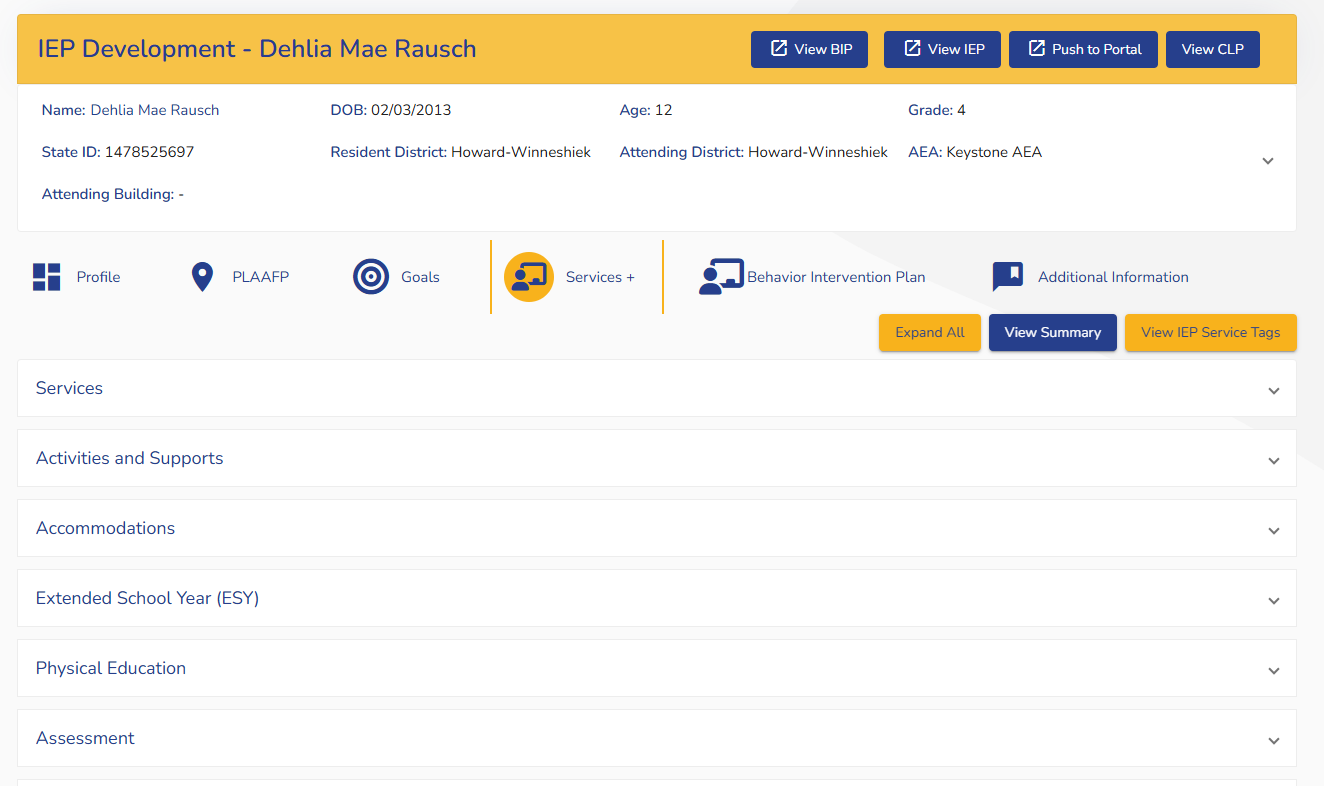
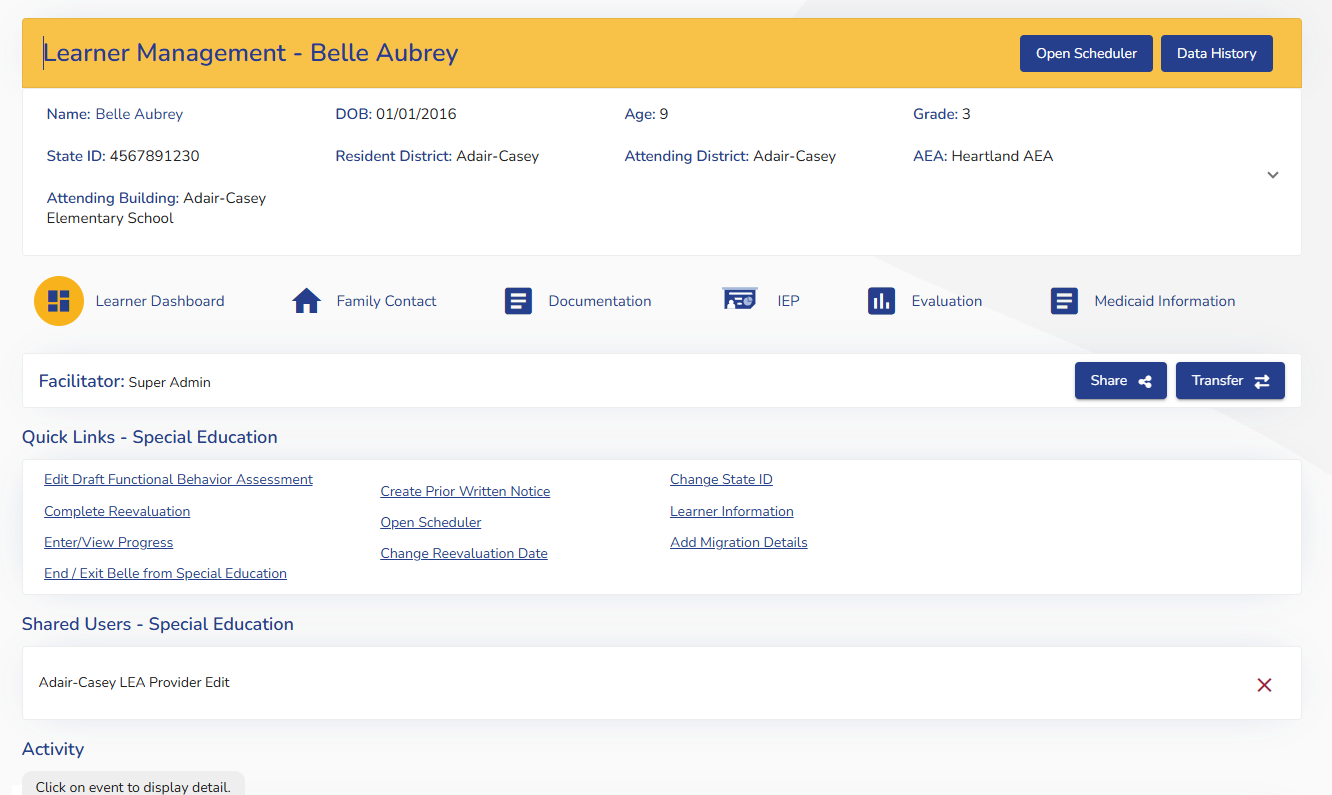
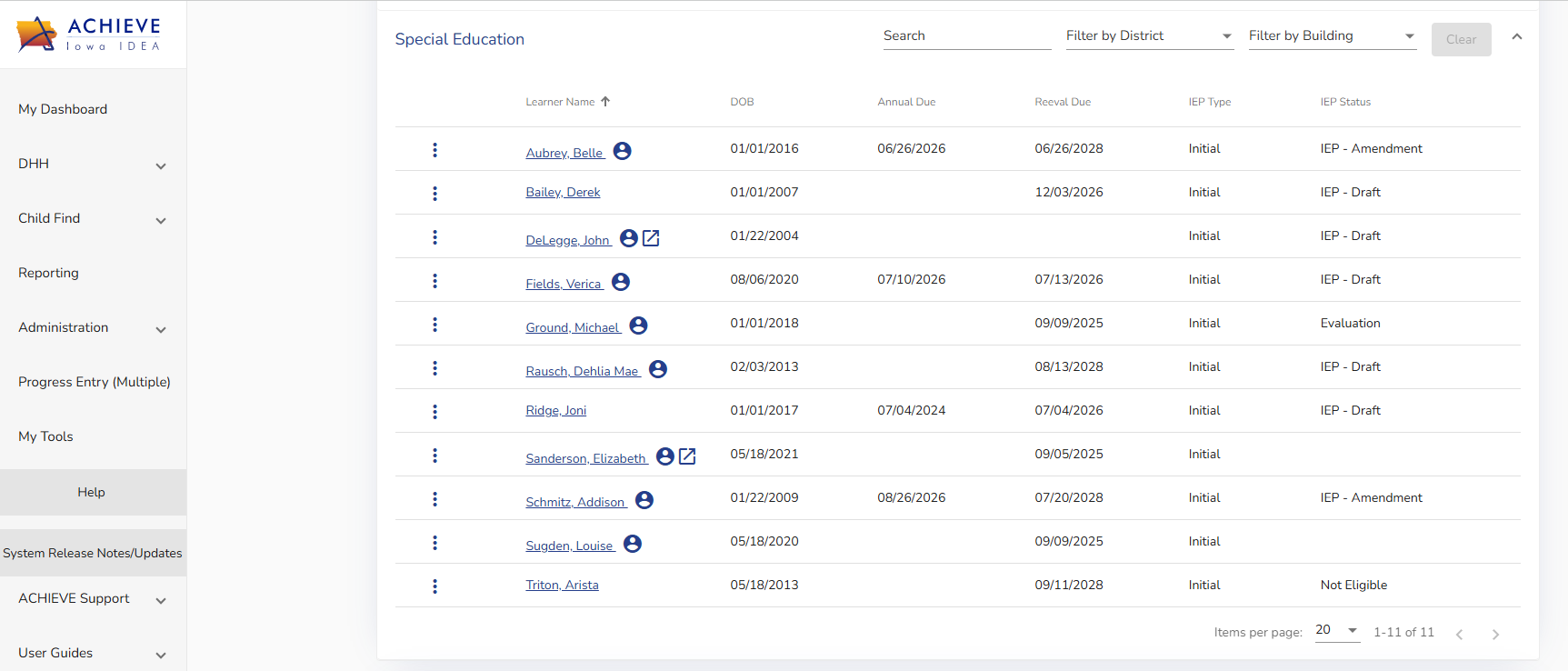
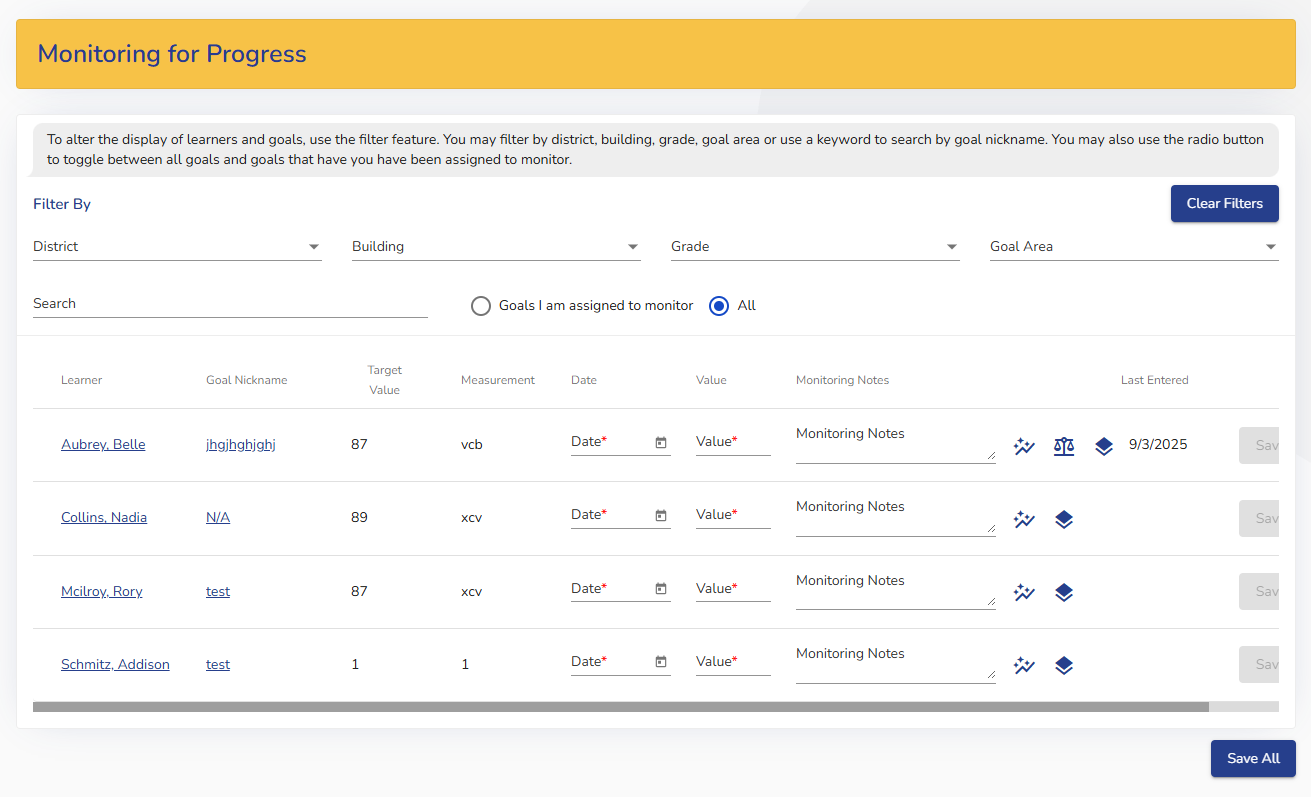
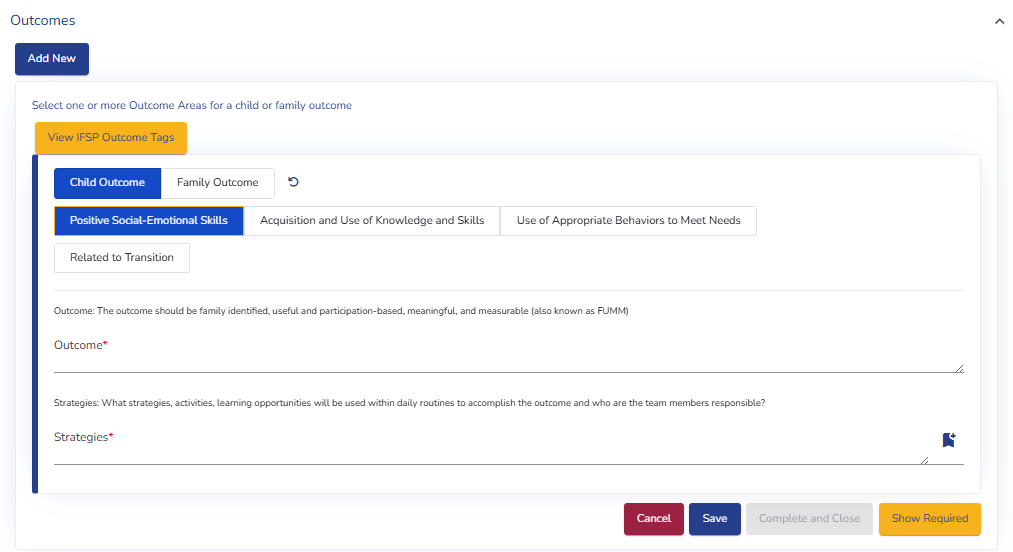
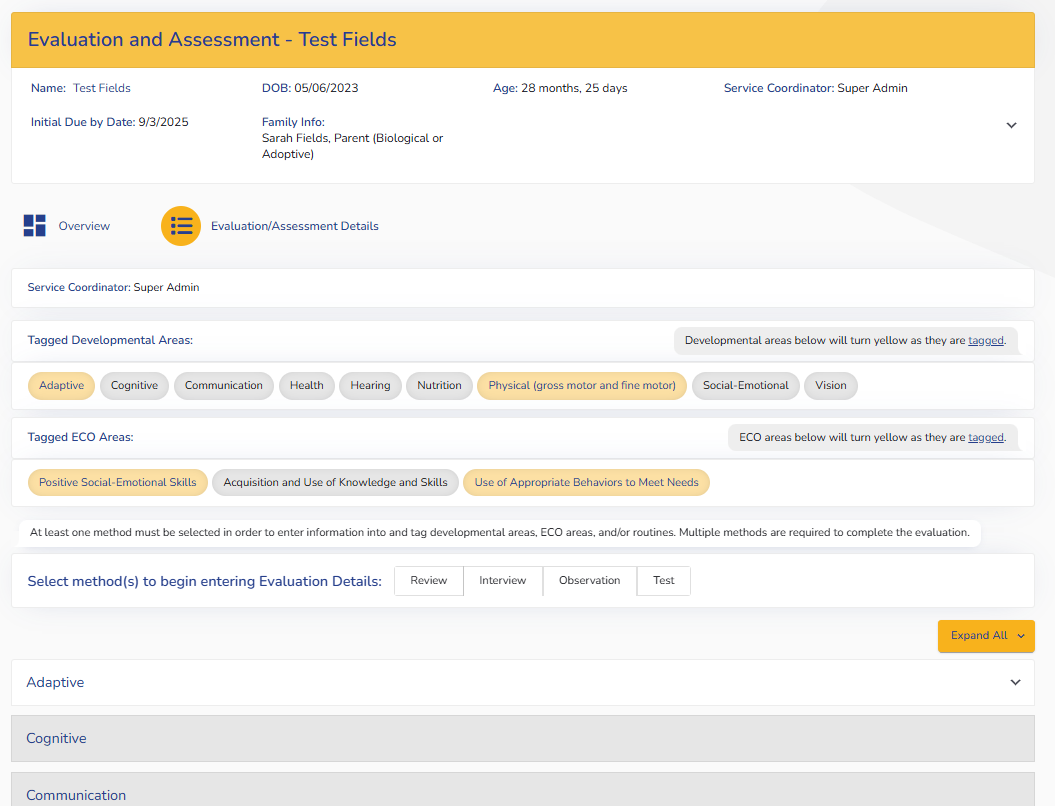
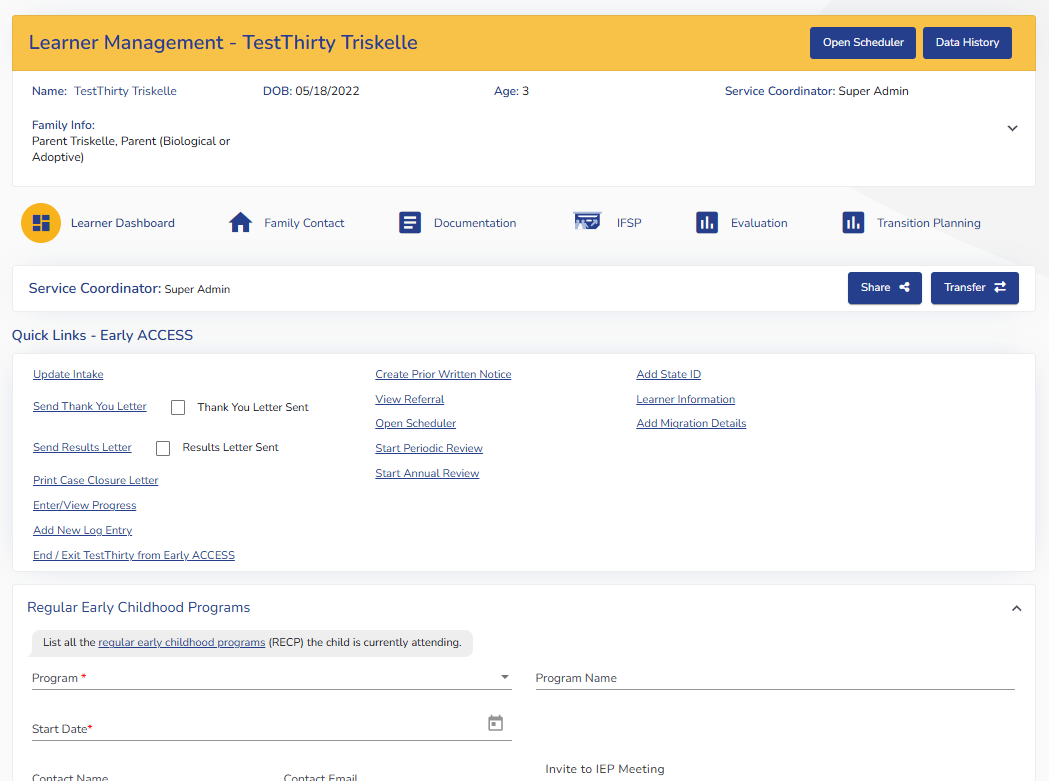
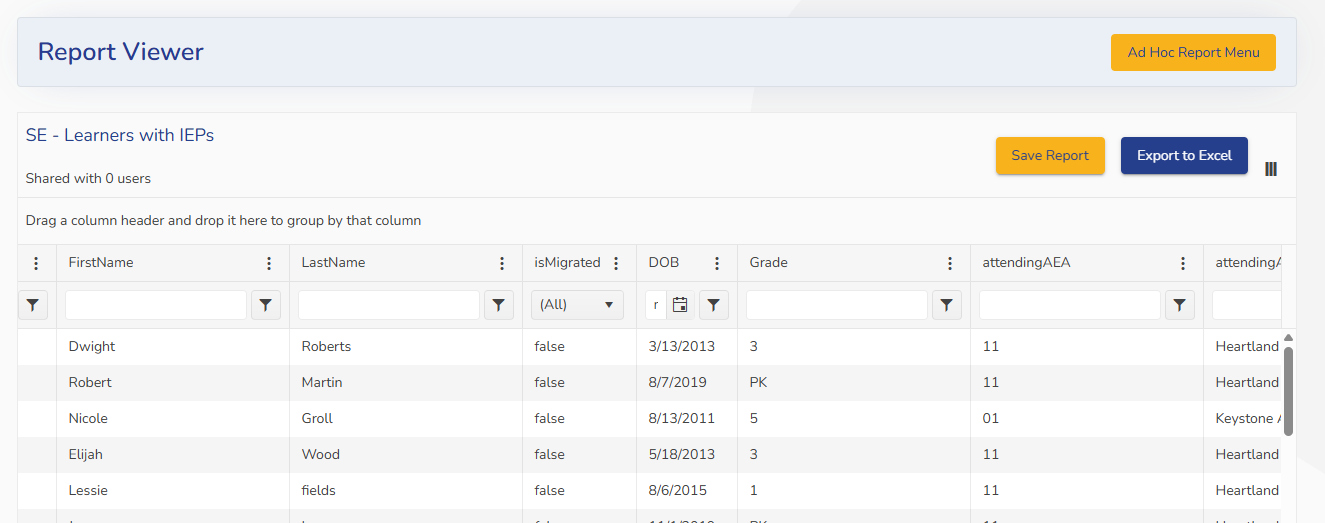
For the first phase of this project, Triskelle built the first fully comprehensive Special Education data system in the United States. This system is used to develop, track, and maintain Individualized Family Service Plans (IFSPs) and Individualized Education Programs (IEPs), and allows providers and educators to track learner progress from birth to 21. This system manages their Early ACCESS and Special Education processes, including child find (online referrals and data collection), evaluation and eligibility determination, creation and modification of IFSPs, creation and amendments of IEPs, progress monitoring, behavior tracking, messaging, dashboards, surveys, and reporting (canned and ad-hoc). ACHIEVE is now used by over 18,000 educators, service providers, and administrators to help them serve over 80,000 learners throughout the state of Iowa. This project was multiple years in development, as mentioned is the first system of its kind in the United States, and has been presented at three national conferences by the state of Iowa. It has been live, and in use, since May of 2022.
The second phase of this project expanded into the development of broad General Supervision Modules, significantly enhancing the state’s ability to manage compliance, equity, and performance at scale. These modules included:
- Compliance Oversight – tools to support focused monitoring reviewS and corrective action plans, ensuring districts remain aligned with state and federal regulations.
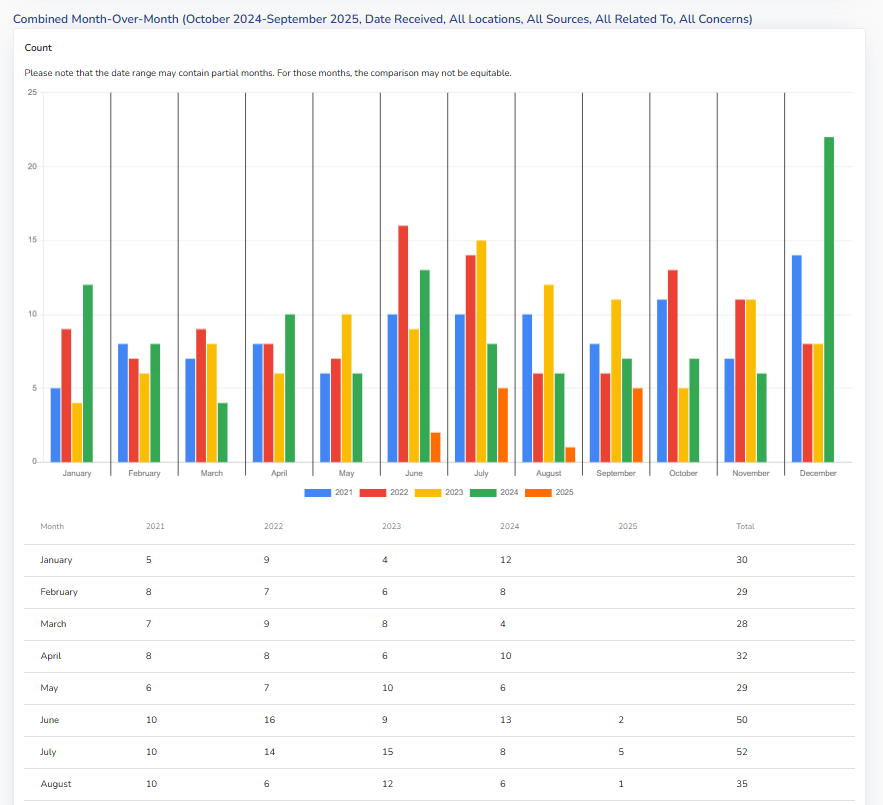
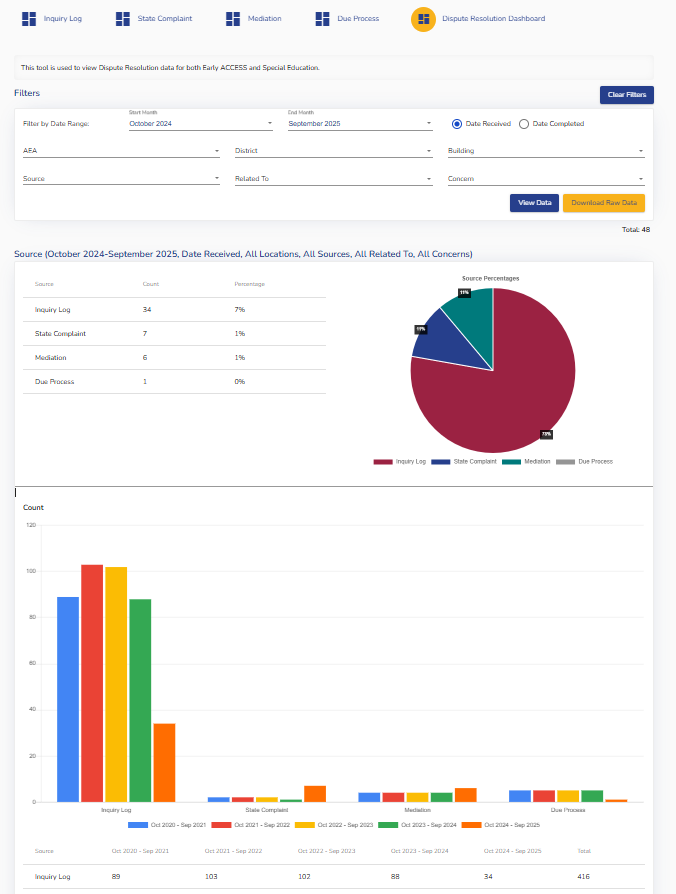
- Dispute Resolution – a fully integrated suite for mediation, due process, due diligence tracking, inquiry logs, and state complaint management, giving the state visibility into every aspect of resolution activities.
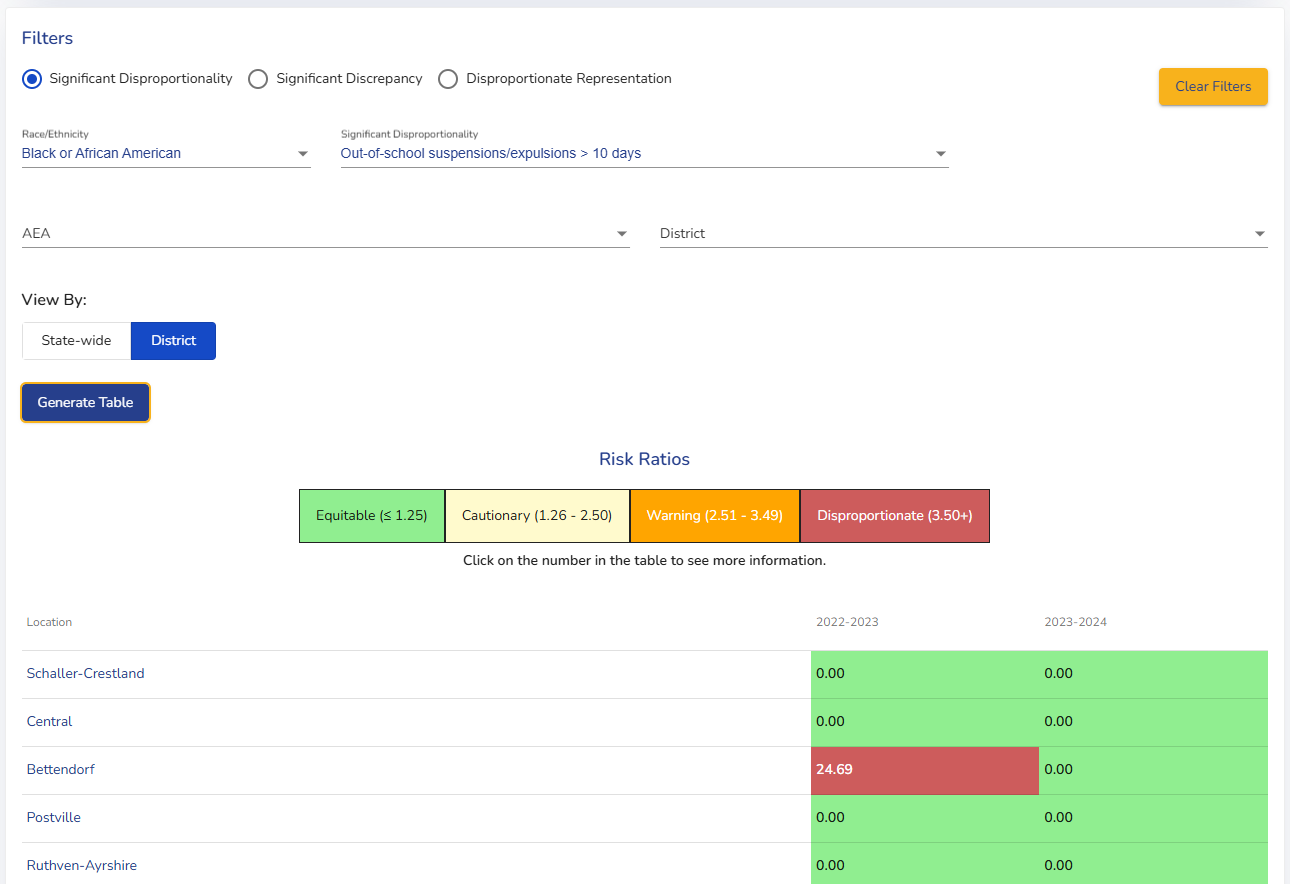
- Equity Tracking – specialized functionality to monitor and respond to areas such as Coordinated Early Intervening Services (CEIS) and significant disproportionality, with data analysis that helps identify and address disparities proactively.
- Performance Monitoring – support for State Performance Plans (SPP) and Annual Performance Reports (APR), enabling the state to track progress against federal indicators and reporting requirements.
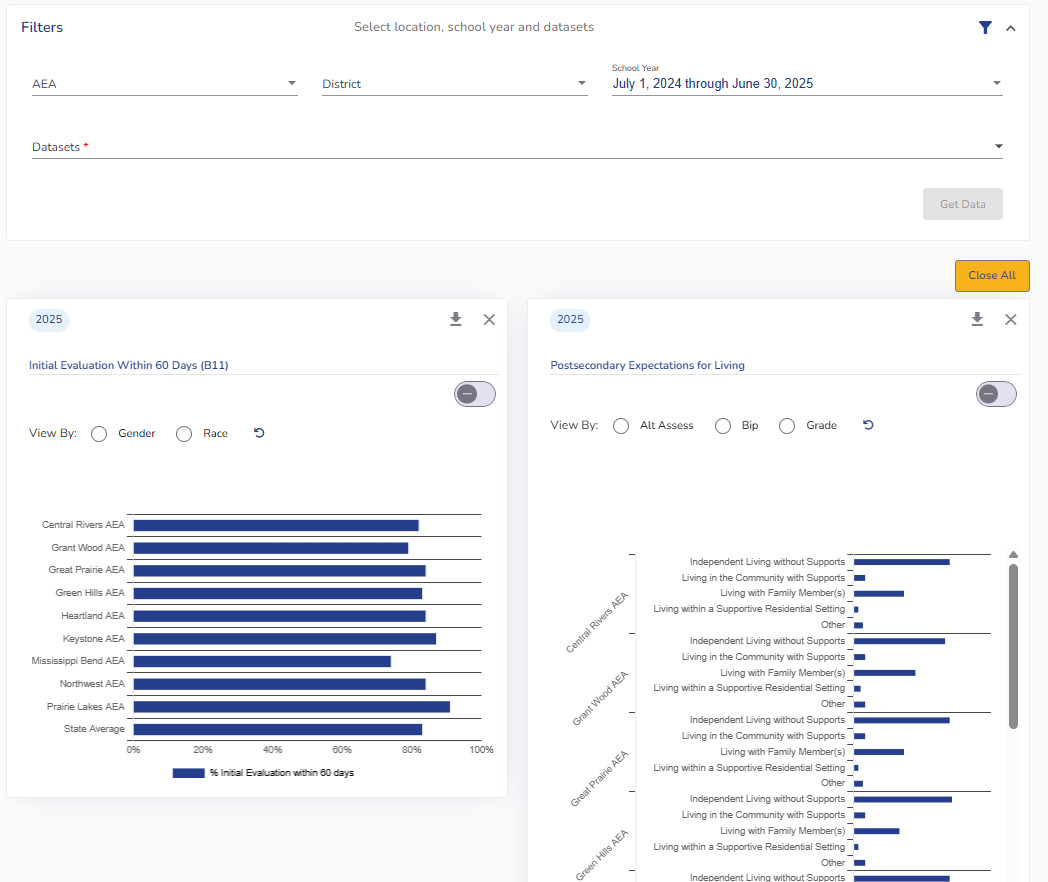
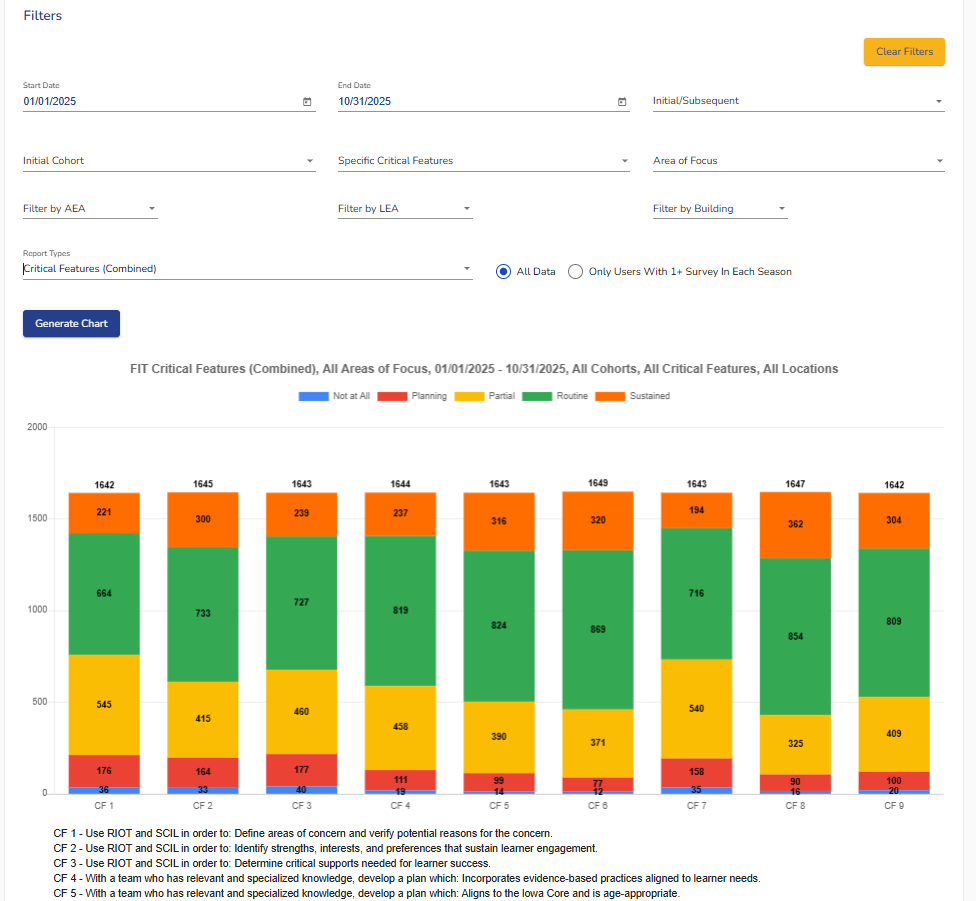
- Advanced Dashboards – complex, interactive dashboards that provide leadership with real-time insights into compliance, equity, and performance data, making it easier to identify trends, assess risk, and drive timely interventions.
Most importantly, all of these tools are interconnected and share data seamlessly, creating a truly comprehensive, statewide supervision system. This integration allows for deeper insights, eliminates duplicate data entry, and gives state leaders a holistic view of compliance and performance across every district.
In January of 2025, we launched an extension to Phase One when the Family Portal portion of ACHIEVE was released, to allow the families of learners to access important documentation, track meetings and due dates, and track their child’s progress in real-time. This was a huge leap forward for the Iowa Department of Education, as previously parents had no online method for accessing this information.
Additionally, coming off of the success of Phases One and Two, Triskelle was also hired to develop a new multi-million dollar expansion to ACHIEVE, related to Deaf and Hard of Hearing tracking for the entire state. This portion of the system is used by all state-wide audiometrists, audiologists, and schedulers, and tracks data for approximately 100,000 children (school age and under) in the state of Iowa. The Deaf and Hard of Hearing Database includes the ability to track and schedule calendar events (including individual appointments, sound booths, screenings, and rechecks), track assistive technology devices and their repair history, collect complex test and assessment data, upload and store documentation at the learner-level, and track learner recommendations and progress over time. This robust and custom Deaf and Hard of Hearing Database was designed in collaboration with audiologists and experts in the state of Iowa in order to best meet the needs of learners and professionals throughout the state. This system was released to production for state-wide use in August of 2024.
Company’s Role: During the project’s initial phase, Triskelle was one of two firms providing services (we provided knowledge gathering, project management, development, and testing services). However, since May 2023, Triskelle has been the prime contractor, and the sole provider of ALL services under the contract. Over the five years we have worked on this project, Triskelle has provided product design, project and product management, information architecture, full-stack development, business analysis, data migration and analytics, DevOps support, agile development staff, a testing team, a user experience team, and a training team.
Technology Stack
Triskelle prides itself on our forward-leaning technology stack, as referenced in the Executive Summary document. Triskelle used this same architecture for this project
Impact on Organizational Maturity
Our project significantly enhanced the digital maturity of the Iowa Department of Education’s IDEA system through a comprehensive digital transformation strategy. Triskelle automated numerous manual processes, upgraded existing systems, integrated cutting-edge technologies, and optimized workflows. By transitioning Iowa from traditional methods to a more agile, digital-first approach, we boosted operational efficiency, improved service delivery, provided a superior user experience, and best of all, enhanced outcomes for learners with special needs. Specific examples are provided below.
The successful delivery of this project significantly improved Iowa’s maturity in digital services and transformation. The key improvements included:
- Enhanced Operational Efficiency: Automation and optimized workflows removed or reduced a large number of manual tasks, leading to faster and more efficient service delivery.
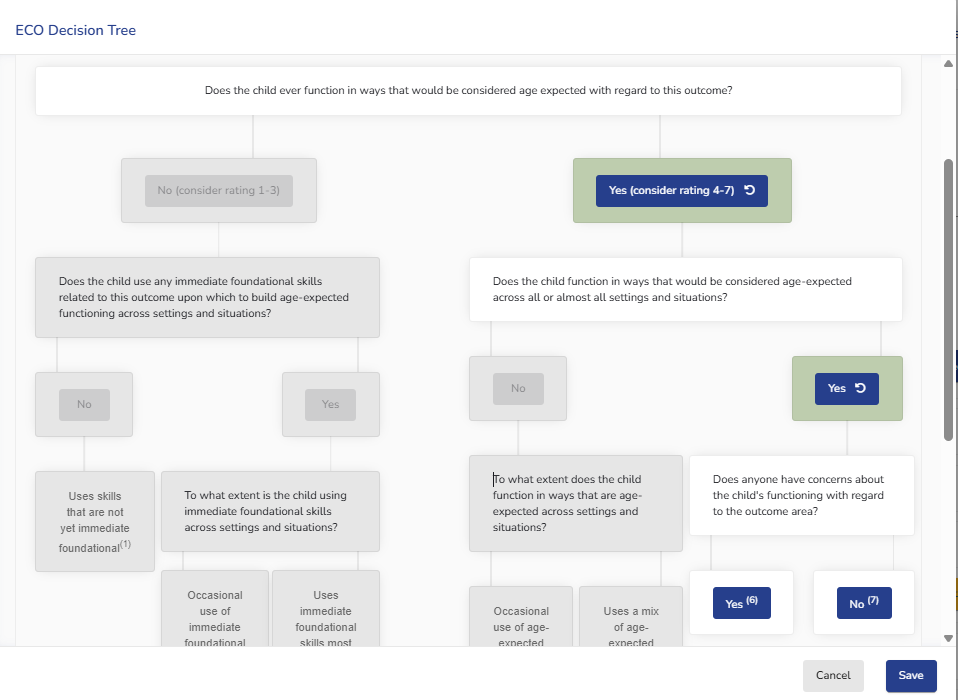
- IA Examples: There were many processes that are now automated that the State was completing through manual methods, such as spreadsheets, or Word documents. One example of this is the development of the family questionnaire to feed into the intake form pages. This questionnaire allows IA staff to collect information from the family ahead of their first meeting and allows the IA staff to fill-in the intake form fields with questionnaire responses with the click of a button. Another example is the Early Childhood Outcomes (ECO) decision tree. IA staff answer a series of yes/no questions on the decision tree to help the user determine the ECO rating for the learner.
- Improved User Experience: Modern, user-friendly interfaces and streamlined processes enhanced the experience for both employees and clients.
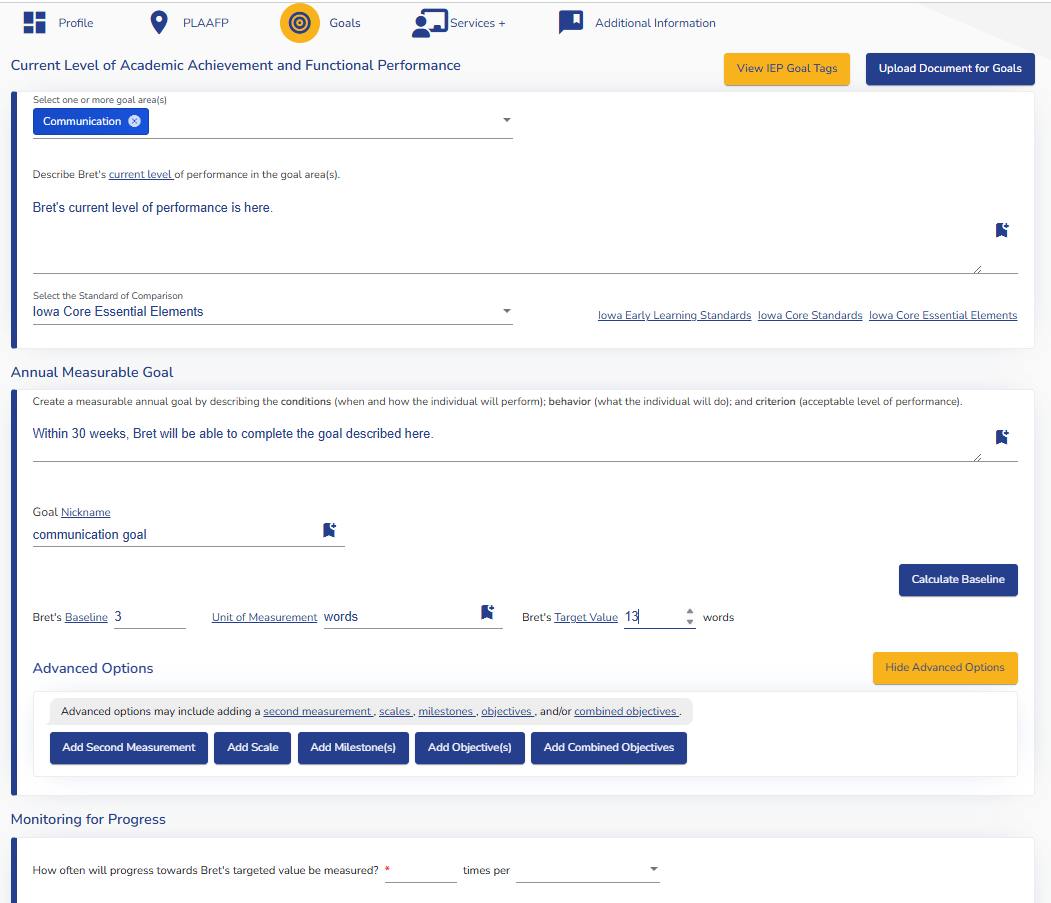
- IA Examples: Several modern components were utilized to create streamlined processes and to enhance the user experience, including the use of autocomplete dropdowns, an embedded glossary feature, bankable fields, and the ability to capture electronic signatures, just to name a few. Every page and form was designed to have a more streamlined and user-focused workflow (no clicking backwards to go forwards, ease of data entry, etc). We also considered accessibility at every step of the process from selecting colors to ensuring the tab order on the page would flow appropriately.
- Data-Driven Decision Making: Advanced data analytics provided valuable insights, enabling more informed, strategic decision-making.
- IA Example: Automation of Compliance Monitoring – we developed several algorithms and logic to analyze the available data and return compliance results in seconds rather than relying on a manual review by a person.
- IA Example: We developed a Data Review process where we created a dashboard and developed logic to randomly select Early ACCESS (Part C) learners for review. This makes it incredibly easy for the team to identify learners who need further analysis.
- IA Example: Data connectivity – Iowa is now able to connect data from many different functional areas, where before that information was stored in multiple locations, and unable to easily be used together. This connectivity allowed us to streamline the compliance monitoring process by creating algorithms to check the compliance of hundreds of learner records in seconds and return compliance findings to be verified by the Department of Education staff.
- Scalability and Flexibility: Cloud-based solutions ensured that Iowa could easily scale operations and adapt to future needs.
- IA Example: ACHIEVE, being a cloud-based system, offers exceptional scalability and flexibility compared to the Department’s traditional on-premises IT infrastructure. This scalability ensures that there are no issues when additional capacity is needed for new functionalities. As ACHIEVE’s size and features expanded, the underlying systems seamlessly scaled to meet the increased demands. Additionally, during periods of lower usage, such as the summer, we can reduce server needs, resulting in cost savings for the client. Furthermore, ACHIEVE can automatically scale out during peak times, such as the beginning and end of the school year, to handle surges in demand efficiently.
- Increased Agility: The Agile methodology fostered a culture of continuous improvement, allowing the organization to quickly respond to changes and challenges. Our change management process as described in detail in our executive summary allowed us to plan for and manage changes, both large and small.
- IA Example: After using the Early ACCESS (Part C) Evaluation feature for a while the users discovered the need to further connect the annual review process to the evaluation process. Our team spent a few weeks with the IA stakeholders hammering out the details of what this change would entail. We developed and released the changes while preserving all existing evaluation and annual review data. This change allowed the evaluation and annual review processes to work together more seamlessly and allowed for a better flow of data from the evaluation and the IFSP.
Overall, the project not only modernized Iowa’s digital infrastructure but also embedded a forward-thinking, agile mindset within the Department of Special Education, laying a strong foundation for ongoing digital growth and innovation.
Project Gallery